




Abstract
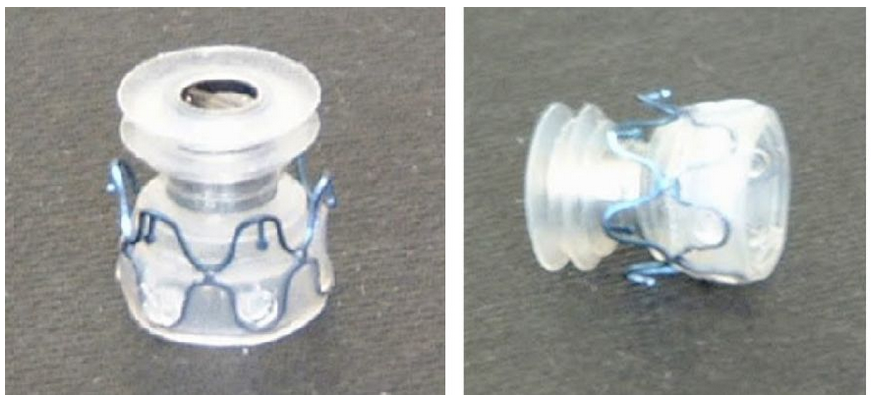
Bronchoscopic endobronchial valves (EBVs) have emerged as a minimally invasive alternative to surgical lung volume reduction for patients with severe emphysema. Emphysema, a progressive lung disease associated with COPD, leads to hyperinflation of the affected lung and reduces respiratory efficiency. EBVs function by limiting airflow to diseased lung segments, causing atelectasis of the emphysematous lung, and allowing healthier lung regions to expand, thereby improving overall pulmonary function.
Two primary EBV systems, Zephyr and Spiration valves, have demonstrated efficacy in clinical trials. The Zephyr valve has been associated with improved forced expiratory volume in 1 s, 6-min walk distance and quality-of-life metrics in patients with heterogeneous emphysema. Similarly, the Spiration Valve System has shown promising results, including sustained pulmonary function improvements and symptom relief.
The success of EBV therapy depends on careful patient selection, including assessment of interlobar fissure integrity and collateral ventilation using imaging techniques and the Chartis system. Common complications include pneumothorax, valve migration and airway infections, necessitating careful monitoring and follow-up.
Ongoing research aims to optimise patient selection, refine procedural techniques and investigate adjunct therapies. As evidence supporting EBVs continues to grow, these devices hold significant potential for improving the quality of life in patients with severe emphysema who are not candidates for surgical intervention.